
Published January 27, 2026
West Salem Homes That Hold Value Long Term

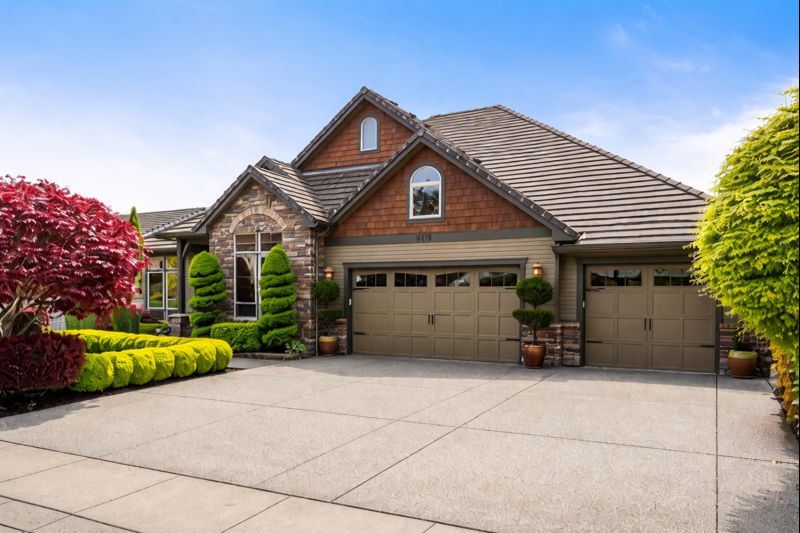
If you're looking at homes in West Salem, you're probably thinking beyond the next few years. You want a home that holds its value, appreciates steadily, and remains desirable when it's time to sell. West Salem delivers on all three.
Here's what makes this neighborhood a solid long-term choice, backed by what we're actually seeing in the market.
Why Location Matters More in West Salem
West Salem sits on the west side of the Willamette River, connected to downtown Salem by two bridges. That geography creates something valuable: natural boundaries that limit development and maintain the area's character.
Homes here benefit from proximity to both Salem and the coast. You're 15 minutes from downtown Salem and about an hour from the Oregon coast. That dual access matters to buyers, which means it matters to resale value.
The neighborhood also has Wallace Marine Park, West Salem High School, and established commercial areas along Edgewater Street. These anchors don't move, which creates stability in property values over time.
Infrastructure That Supports Long-Term Value
West Salem's infrastructure is mature but well-maintained. The street grid is established, utilities are in place, and the area isn't experiencing the kind of rapid development that creates uncertainty.
Based on recent MLS data, homes in West Salem averaged 22 days on market over the past 60 days. That's slightly faster than the Salem average of 24 days, which tells you something about demand.
When homes sell faster, even by just a few days, it signals consistent buyer interest. That consistency is what builds long-term value.
What Home Styles Hold Value Best in West Salem
Not all homes appreciate equally. In West Salem, certain characteristics correlate with stronger long-term performance.
Single-Level Ranch Homes
West Salem has a good inventory of single-level ranch homes, many built in the 1960s through 1980s. These homes continue to perform well because they appeal to multiple buyer types: families wanting easy living, empty nesters planning ahead, and retirees downsizing.
These aren't the highest-priced homes in West Salem, but they're often the most liquid. They sell reliably, which matters when you eventually need to exit.
Updated Mid-Century Homes
Mid-century homes that have been thoughtfully updated tend to hold value particularly well. Buyers appreciate the bones of these homes—good layouts, solid construction, larger lots—combined with modern systems and finishes.
If you're considering a home in West Salem that needs updates, focus on what matters most: kitchens, bathrooms, and mechanical systems. Cosmetic updates matter less than functionality and condition.
Homes With Usable Outdoor Space
West Salem lots tend to be larger than newer developments in other parts of Salem. Homes with usable yards, covered outdoor areas, or mature landscaping consistently perform better than those without.
The outdoor space doesn't need to be elaborate. It just needs to be functional and maintained.
Price Points That Perform Best Long-Term
In West Salem, the $500k-$700k range has historically shown the steadiest appreciation. This price band captures well-maintained ranch homes, updated mid-century properties, and newer construction that isn't pushing into luxury territory.
Homes above $700k in West Salem also appreciate, but the buyer pool is smaller, which can mean longer sale times when you're ready to move. That doesn't make them bad investments, but it's worth understanding the trade-off.
Homes under $500k in West Salem tend to need more work or be in less desirable micro-locations within the neighborhood. They can appreciate well if you're willing to invest in improvements, but they require more active management.
How West Salem Compares to South Salem
South Salem typically commands higher prices than West Salem for similar homes. That price difference has remained relatively consistent over the past decade, which means both neighborhoods are appreciating at similar rates.
If you're choosing between the two, West Salem often offers better value per square foot while still delivering many of the same benefits: good schools, mature neighborhoods, and strong resale potential.
For a detailed comparison, our Salem Neighborhood Comparison Guide breaks down how West Salem stacks up against other areas of the city.
What Makes West Salem Different From Newer Developments
West Salem isn't trying to be something new. It's an established neighborhood with mature trees, settled foundations, and a defined character. That maturity creates predictability, which translates to long-term value.
Newer developments in South Gateway or Keizer offer modern construction and warranty coverage, but they lack the track record. You don't know yet which neighborhoods will remain desirable in 20 years.
West Salem has already proven itself. Homes built there in the 1970s are still selling reliably today, often for multiples of their original price.
The School Factor
West Salem High School, Kalapuya Elementary, and other schools in the area consistently perform well. School quality matters to families, and families drive a significant portion of home buying activity.
Even if you don't have school-age children, school quality affects resale value. Buyers with kids will pay more for homes in good school boundaries, which means your home benefits from that premium whether you use the schools or not.
Market Data: What the Numbers Show
Over the past five years, West Salem homes have appreciated at roughly the same rate as the Salem market overall, averaging 6-8% annually depending on price point and condition.
That's not explosive growth, but it's steady and predictable. For long-term value, steady often beats volatile.
Current inventory in West Salem sits at about 2.5 months of supply in the $500k-$700k range. That's balanced—not too much inventory (which would pressure prices down) and not too little (which would create unsustainable price spikes).
Balanced inventory tends to support sustainable appreciation over time.
Sold-to-List Price Ratios
West Salem homes in good condition are currently selling for 98-100% of list price. Homes that need work or are overpriced sit longer and sell for 95-97% of list.
Those ratios tell you that buyers are willing to pay asking price for well-presented homes, but they're not bidding over ask on everything. That's a healthy market for long-term value.
Practical Takeaways for West Salem Buyers
If you're considering West Salem for its long-term value potential, here's what matters most:
Focus on location within West Salem. Areas closer to Wallace Marine Park and west of Highway 22 tend to hold value better than areas right along busy corridors.
Prioritize condition over cosmetics. A well-maintained home with dated finishes will appreciate better than a beautifully updated home with deferred maintenance.
Look for single-level layouts if possible. These have the broadest buyer appeal when it's time to sell.
Don't overpay for the neighborhood. West Salem has a ceiling on pricing. Paying significantly above recent comparable sales means you're betting on future appreciation to justify your purchase price.
Consider the commute factor. If you work in Portland, test the commute before buying. The bridge access matters, especially during peak hours.
What Buyers Should Watch Out For
West Salem isn't perfect. Some considerations that affect long-term value:
Bridge dependency. If you're commuting to downtown Salem or points east, you're crossing the Willamette daily. Traffic can back up during peak times.
Older home systems. Many West Salem homes have original or aging mechanical systems. Budget for replacements if the home you're considering has systems approaching 20+ years old.
Lot maintenance. Larger lots mean more maintenance. If you're not prepared for yard work or willing to pay for landscaping services, those large lots become a liability.
Micro-location matters significantly. Not all of West Salem is equal. Homes near busy roads, commercial areas, or less desirable pockets don't appreciate as reliably as homes in the premium sections.
Why West Salem Works for Long-Term Holds
West Salem combines several factors that support long-term value: established infrastructure, mature character, good schools, geographic advantages, and consistent demand.
It's not the flashiest neighborhood in Salem, and it's not trying to be. It's the steady performer that delivers reliable appreciation without the volatility of newer or more speculative areas.
If you're buying a home you plan to keep for 10+ years, West Salem should be on your list. The neighborhood has proven it can maintain value through multiple market cycles, and there's no reason to think that pattern will change.
For a deeper look at how West Salem compares to other Salem neighborhoods, download our Salem Neighborhood Comparison Guide for side-by-side data on prices, schools, and lifestyle factors.
Next Steps
If you're thinking about West Salem, we can walk you through current inventory and recent sales data to help you understand what makes sense for your situation. No pressure, just information.
West Salem's long-term value proposition is strong, but the right home for you depends on your specific priorities, timeline, and financial situation. Let's look at the options together.
or another way